
Barber’s Pole: What the Barbershop Symbol Means
17.04.2025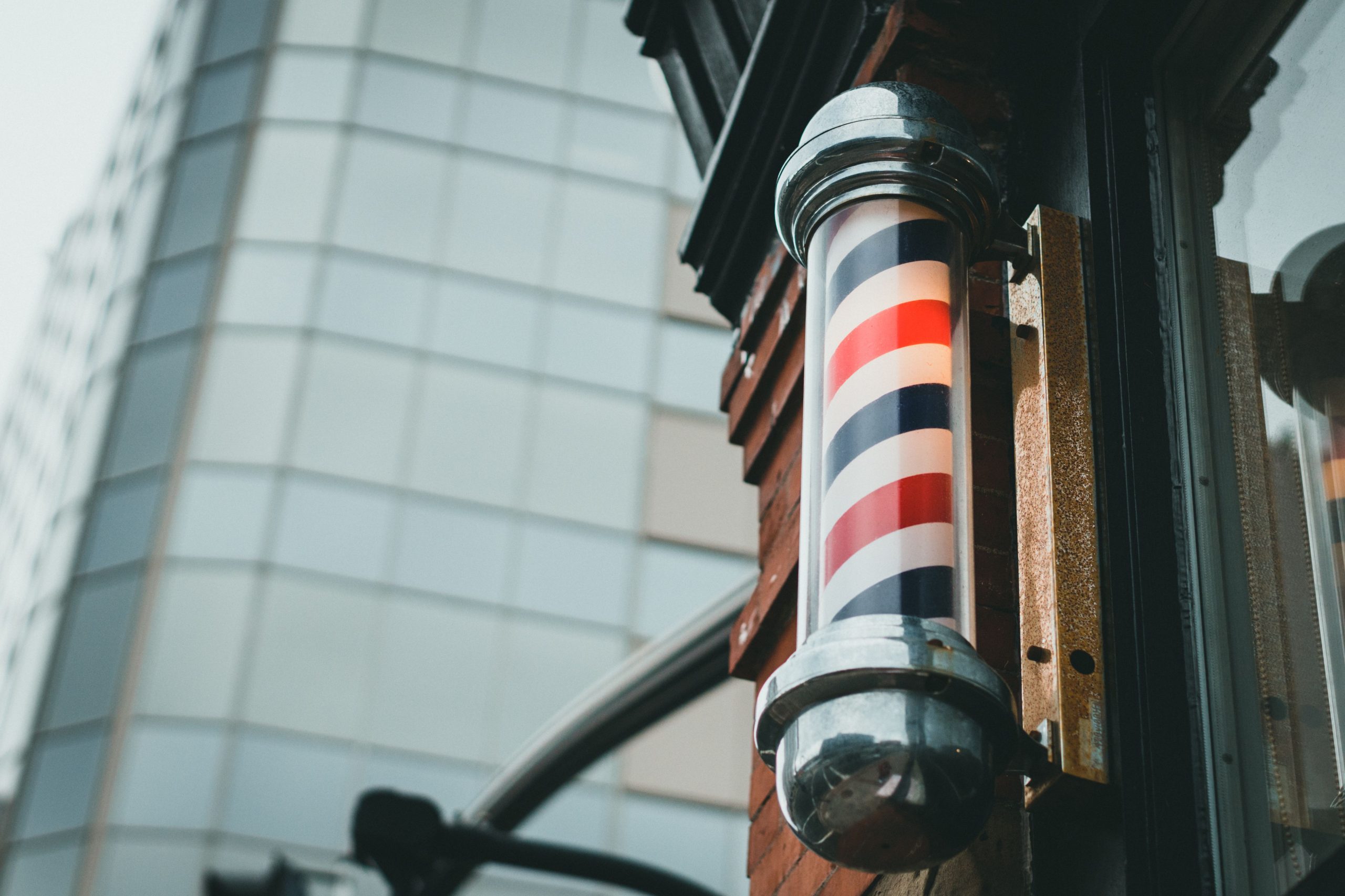
The Barber’s Pole, that spinning post with red, white, and blue stripes, has stood outside barbershops around the world for centuries, but few people know that this symbol originally had nothing to do with haircuts. Before barbers became specialists in beards and styling, they did a considerably grimmer job. The striped pole was the sign for exactly that work.
When the barber was almost a doctor
In medieval Europe, barbers didn’t just cut hair — they also practiced medicine. They pulled teeth, performed minor surgical procedures, and most often, let blood. At the time, bloodletting was believed to help with dozens of ailments, from fever to headaches.
In 1540, in England, that connection became official. By decree of Henry VIII, barbers and surgeons were merged into a single guild, the Company of Barber-Surgeons. The split between “those who cut” and “those who operate” didn’t happen until two centuries later. In 1745, surgeons finally broke off into their own guild.
While barbers combined both roles, they needed some way to let passersby know about the bloodletting service. The simplest method was to display a basin of used blood out on the street. City residents, understandably, weren’t fond of that particular shop window. Sooner or later it had to be replaced with a less direct symbol.
A barber-surgeon of the time was also often responsible for setting dislocations and even performing amputations in the field. Military barbers, for instance, traveled with troops and provided first aid right on the battlefield. Their tools were practically the same as a hair-cutting barber’s. Sharp blades served both for shaving and for simple procedures. That sounds more alarming than professional today.
What the colors on the pole actually mean
The colors on the pole aren’t as random as they might seem, though one of them causes some confusion. The most common version says blue symbolizes veins, but historians have another hypothesis. In Britain, the classic barber pole stayed red and white only for centuries. The blue stripe was added later, in the United States. There, red, white, and blue happened to match the national flag. Which of the two versions is correct isn’t known for certain. Both show up equally often in writing about the history of barbering.
What the colors of the Barber’s Pole symbolize:
- red — blood, a reminder of bloodletting as one of the main procedures performed by medieval barbers;
- white — the bandages used to wrap the wound after the procedure;
- blue, according to one version, veins. According to another, a later addition tied to the colors of the US flag, rather than to medicine directly.
From surgery to a culture of men’s grooming
By the 18th century, bloodletting had stopped being used as a treatment method. The pole stuck around, though — its function simply shifted from a medical sign to an emblem of the hairdressing trade. Today it has no connection to medicine whatsoever, yet it still hasn’t disappeared. It’s one of the few professional symbols to survive a complete change in the profession itself while barely changing in appearance.
In some US states, the spinning pole is still more than just decoration. It’s part of the established symbolism of the profession. In certain jurisdictions, only shops with an active barber license are allowed to display the classic red, white, and blue pole. Ordinary hair salons aren’t allowed to. It’s a rare case of a decorative storefront element actually being governed by law rather than just tradition.
Conclusion
At The XY barbershop in Torrevieja, the pole by the entrance is less a useful sign and more a symbol that tends to draw the most questions from new clients. A barbershop today is no longer just a place for haircuts. Here beards get trimmed, mustaches get shaped, and there’s a lounge area to relax in.
Anyone who’d like to see the Barber’s Pole spinning in person rather than in a photo, and talk to the barber about the trade, can stop by The XY barbershop in Torrevieja. The barbershop is open every day from 10:00 to 21:00, with no closing days..
